Group A and Group N
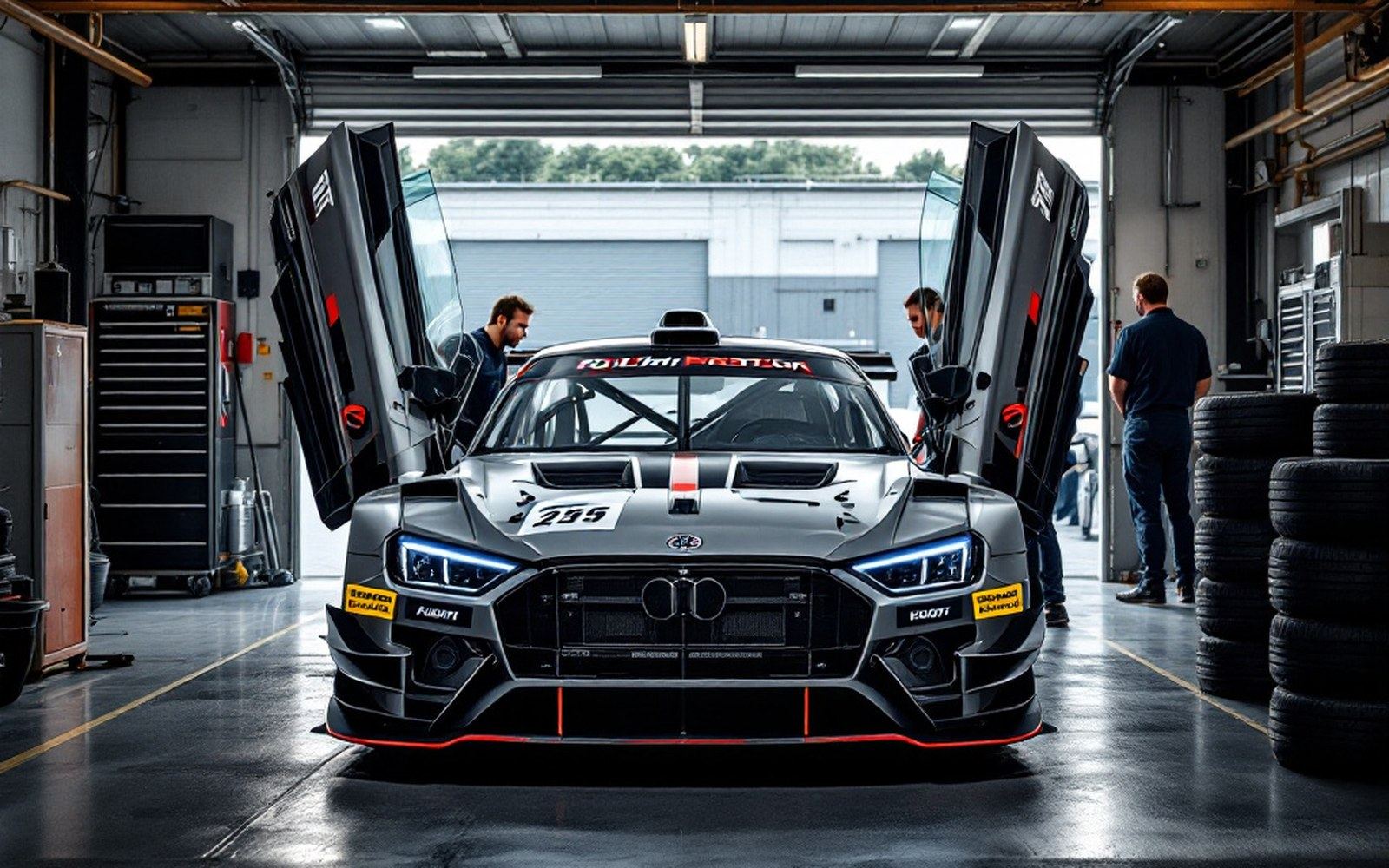
01When five thousand cars define the class
Group B's final season was 1986. The accidents at Tour de Corse and elsewhere that year made the two-hundred-car minimum and the open-ended power envelope untenable, and the FIA cancelled the category effective from the end of that season. What replaced it at the top of the World Rally Championship was Group A — a class that had existed since the early 1980s but had lived in B's shadow. Moving it to the top tier was not merely a change of name; it was a change of philosophy encoded in a single number.
That number was five thousand. Where Group B had asked manufacturers to build two hundred road cars in twelve consecutive months, Group A required five thousand, homologated under Appendix J as genuine production vehicles. A car that met the threshold could be entered in its production form and developed through a controlled evolution process, but the baseline specification had to be something a customer could walk into a showroom and buy. The fiche — the homologation form specifying every permitted dimension, material and component — had to describe a real, volume-production machine.
The practical consequence was immediate. Lancia responded with the Delta HF 4WD and its successors, building the numbers required and drawing on the experience Abarth in Turin had accumulated through the Group B years. Audi Sport continued with the Quattro-derived 200, though the car's age was already telling. Ford entered the Sierra RS Cosworth. The class rewarded manufacturers with established production lines rather than specialist constructors who could tool up for two hundred examples.
The fiche — the homologation form specifying every permitted dimension, material and component — had to describe a real, volume-production machine.
Group N sat beneath Group A and used an identical production threshold, but restricted modification far more severely. Competitors were essentially limited to safety equipment and tyres; the homologation fiche described the car and the regulations forbade almost any departure from it. That made Group N a class about driver and tyre, not engineering, and it served as a legitimate entry point for competitors without a development budget.
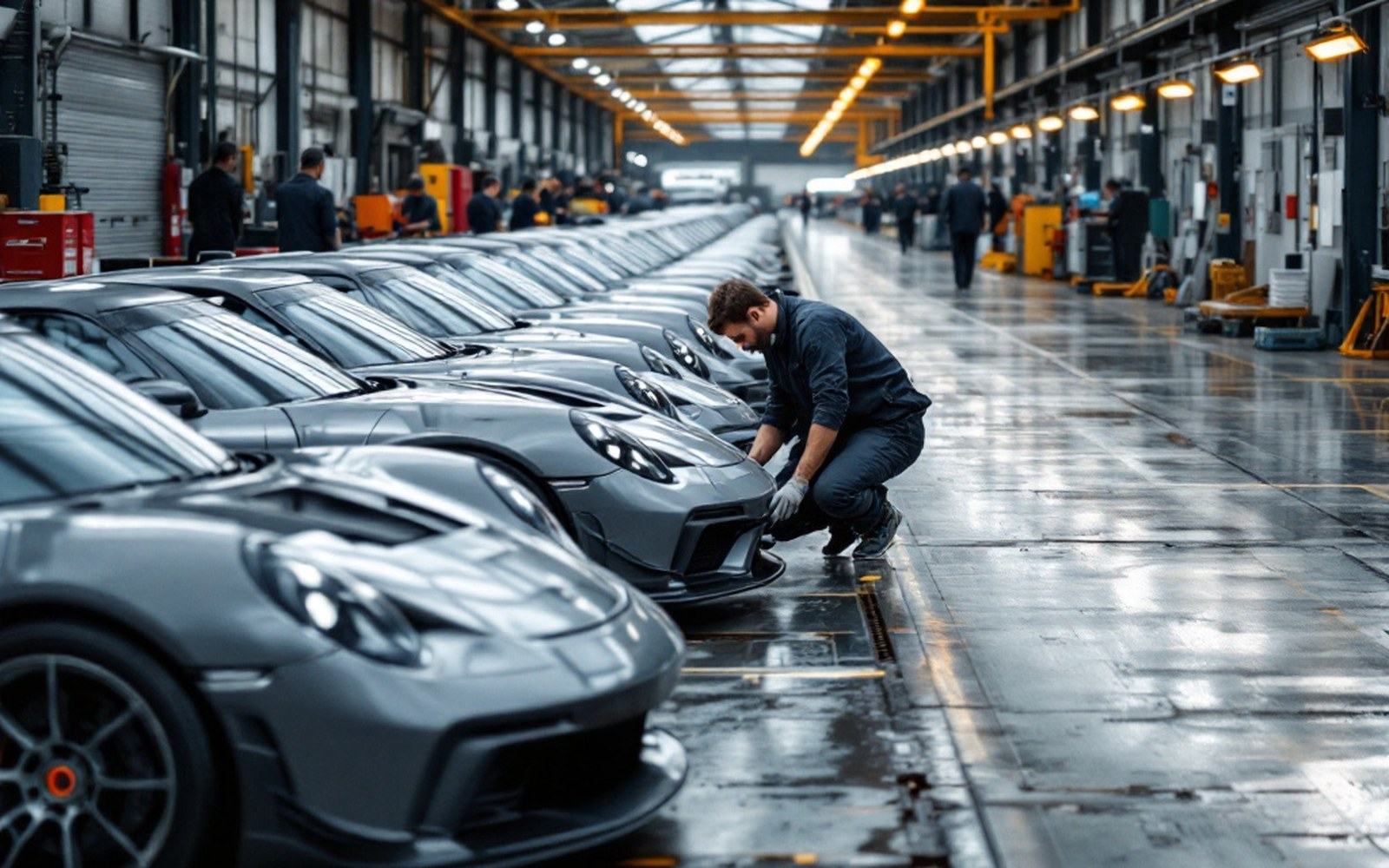

The shift from two hundred cars to five thousand was a deliberate act of policy by the FIA, not an accident of drafting. It moved the centre of gravity from the prototype-adjacent world of Group B toward manufacturers who sold cars to ordinary people — which was, once the dust had settled, precisely what the world rally championship's commercial logic required.