Qualifying engines
One Saturday afternoon's worth of power, and the dynamometers ran out of numbers first.
01The lap that used the engine up
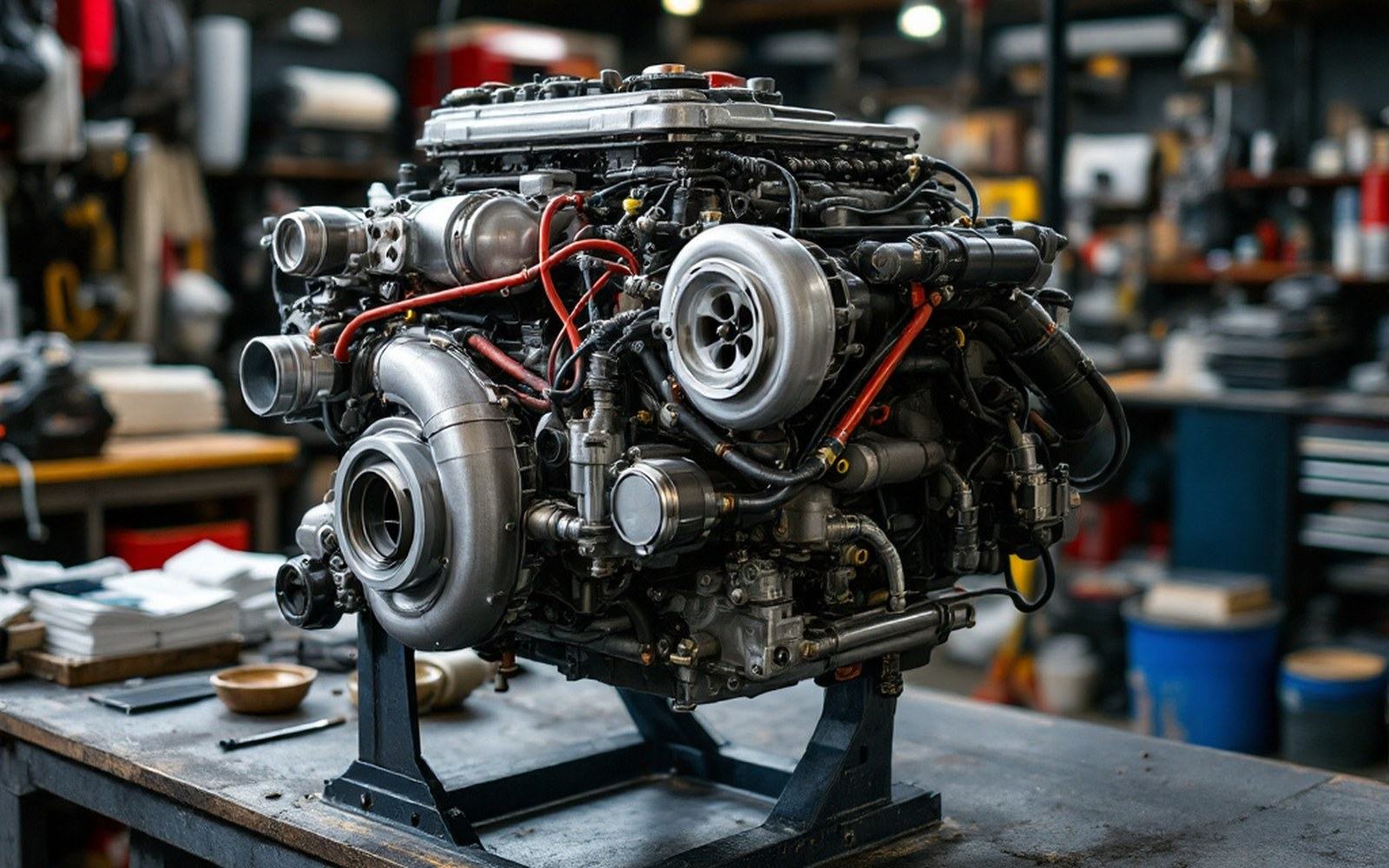
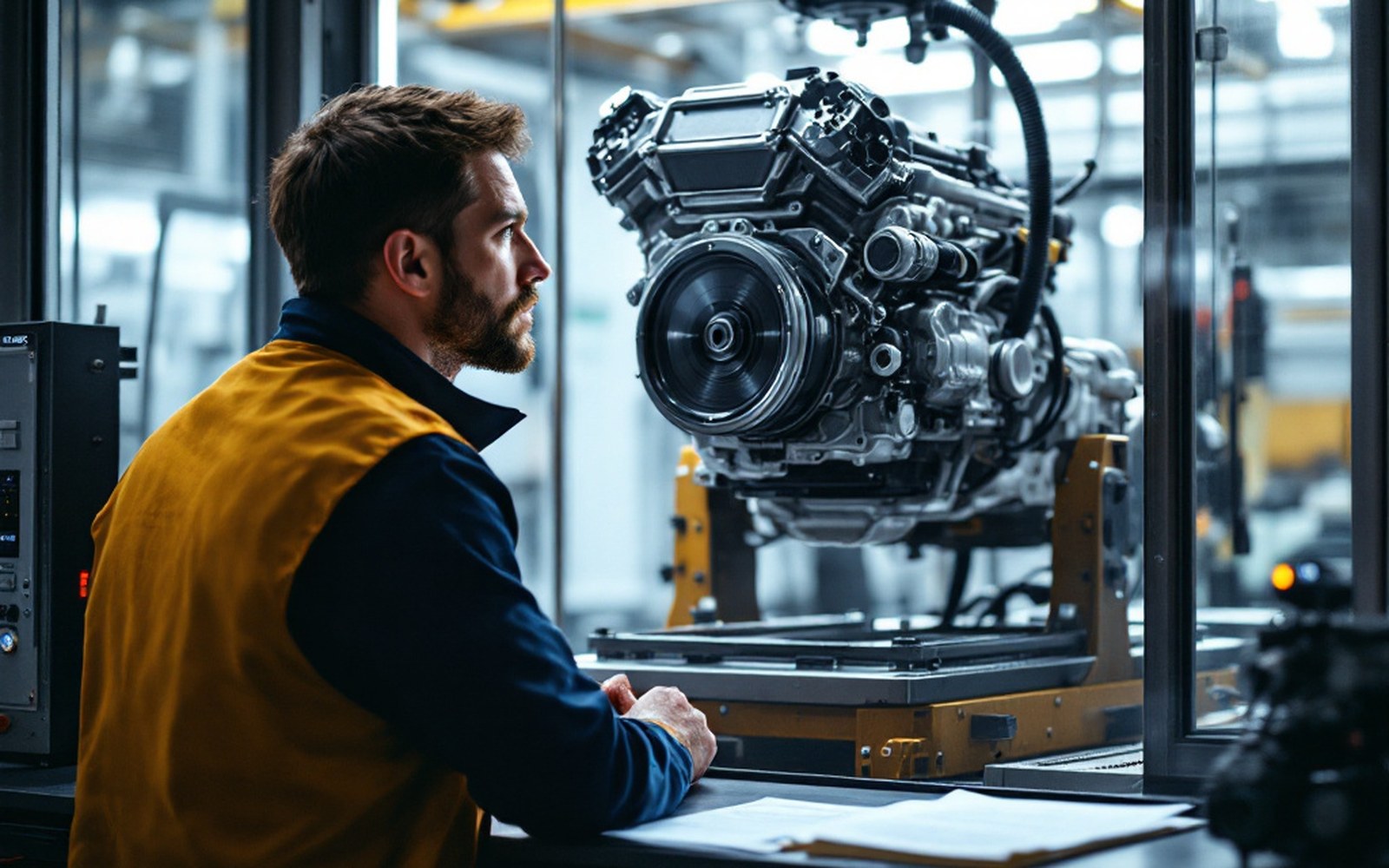
By the mid-1980s, Formula One qualifying had become a separate engineering exercise with almost no overlap with the race. Teams ran dedicated engines — units prepared specifically for the single flying lap, never intended to last a race distance and never expected to. BMW Motorsport's four-cylinder turbocharged engine, developed with Brabham and derived from the iron-block M10, was the most notorious of these: boost pressure during qualifying was estimated at figures above 5 bar, producing outputs that various engineers placed somewhere above 1,400 horsepower. The "somewhere" is deliberate. The dynamometers available could not reliably measure at those levels, so the figures were engineering estimates rather than confirmed readings. Renault Sport and Honda were operating in the same territory, and the honest answer from any of the engineers involved was a range, not a number.
The regulations permitted this because the 1.5-litre turbos formula carried no power limit — only the displacement ceiling and, from 1987, a pop-off valve that held race boost to 4 bar. For qualifying in the earlier seasons there was no such restriction. A team could build an engine to survive one lap and detonate on the cool-down, provided it was legal in displacement and configuration. The FIA and FISA scrutineered the car, not the engine's output; homologation governed the architecture, not the peak figure on a dyno chart that no one could read accurately anyway.
Chronology
- Pre-1987no boost limit in qualifying; dedicated single-lap engines in widespread use
- 1987pop-off valve at 4 bar extends to qualifying, not only races
- 1988race and qualifying boost limited to 2.5 bar; turbo formula closes end of season
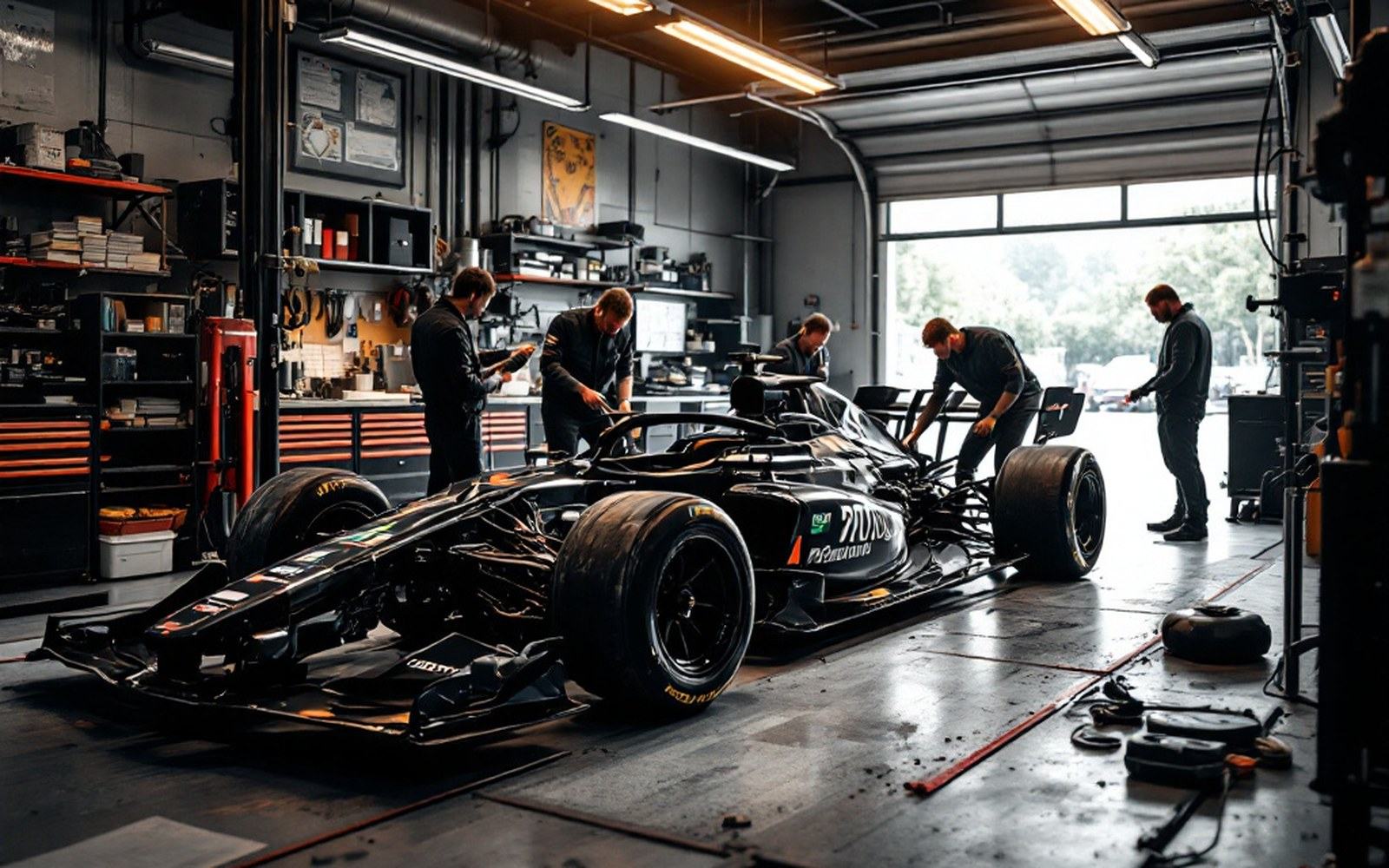
The practical effect was a qualifying ritual understood by everyone and discussed in approximations. A qualifying engine might share its block and cylinder head geometry with the race unit but would run different internal clearances, different fuel mixtures, and cooling strategies calibrated for minutes rather than hours. Paul Rosche at BMW Motorsport was open about the fact that the engines were consumed by the effort; survival was beside the point. What mattered was pole position, because grid position in the turbo era genuinely shaped race outcomes, and a tenth of a second on Saturday justified an engine that would never fire again on Sunday.
For qualifying in the earlier seasons there was no such restriction.
When boost limits arrived for 1987 — the mandatory pop-off valve at 4 bar during the race — FISA extended the restriction to qualifying as well, which ended the dedicated qualifying engine as a meaningful category. The 2.5-bar limit for 1988 compressed outputs further, and by the time the turbo formula closed at the end of that season, the Saturday afternoon numbers had become historical curiosities: extraordinary, approximately correct, and permanently unverifiable.