The fan cars
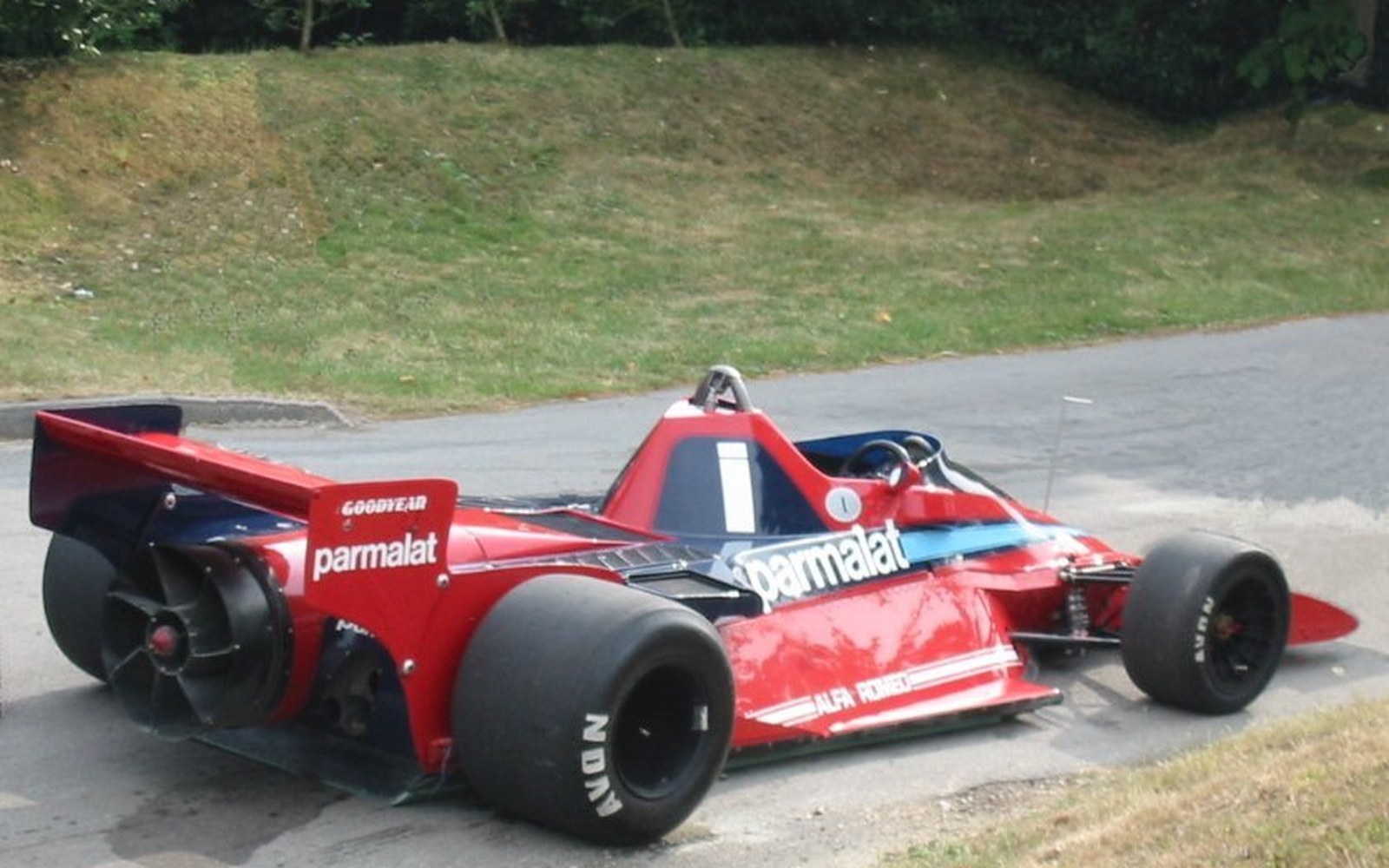
A suction fan mounted for cooling did the same job as a sealed skirt — and lasted one race.
01The cooling excuse
The ground effect car lives or dies by pressure differential: low pressure under the floor, high pressure above, the chassis pressed down by the air itself. Colin Chapman's Lotus 78 and 79 achieved that through carefully shaped venturi tunnels running along the car's flanks. The limiting factor, in 1978, was always the seal at the edges — the sliding skirt that stopped high-pressure air from leaking underneath and equalising the pressure before it could do useful work.
Gordon Murray at Brabham read the same physics and found a different route in. Rather than shape the floor into a wing and fight to seal its edges, he proposed extracting air mechanically from beneath the car using a large fan mounted at the rear. The fan's stated purpose, logged with the scrutineers, was cooling the Alfa Romeo flat-twelve engine — a unit notorious for running hot. The downforce was, in the submission, incidental. The FIA technical regulations prohibited movable aerodynamic devices, but the cooling fan argument held: a fan is a cooling component, and the downforce it produces is a by-product, not its function.
Chronology
- June 1978BT46B races at Anderstorp; Lauda wins, Patrese second
- June–July 1978protests lodged; Brabham withdraws the car voluntarily
- 1979FISA closes the loophole explicitly, banning suction devices as aerodynamic aids
02Anderstorp, 1978
The Brabham BT46B ran exactly once in competition, at Anderstorp, Sweden on 17 June 1978. Niki Lauda won the Swedish Grand Prix; Riccardo Patrese finished second in an Arrows; Watson retired. The car was fast in a way that unsettled every other team in the paddock — not because the outright lap times were extraordinary, but because the grip was, and because the underlying principle, if allowed to develop, promised to make the BT46B's advantage larger at every subsequent race. Murray's fan drew air from a skirt-sealed chamber under the floor; the suction was real, the downforce was real, and the argument that it was merely a cooling artefact was, at minimum, creative.
Gordon Murray at Brabham read the same physics and found a different route in.
The other teams protested immediately. The precise legal basis was contested — the ruling on movable aerodynamic devices was not unambiguous enough to hand an automatic exclusion — but Brabham's commercial situation made the fight unwinnable regardless. Bernie Ecclestone, who ran the team, was simultaneously negotiating the structure of the Formula One Constructors Association and needed the other constructors' cooperation. Brabham withdrew the BT46B voluntarily. Lauda's win stood.
03What the scrutineers checked
The elegance of Murray's solution was regulatory as much as mechanical. Scrutineering in Formula One checked aerodynamic devices against the rule prohibiting parts that move relative to the sprung mass of the car and produce aerodynamic force. A fan that moves and produces cooling is a different category of component — or so the argument ran. The distinction between primary function and incidental effect has no clean resolution in a rulebook written in finite sentences, and the BT46B exploited exactly that gap. The FISA technical commission closed it the following season by making explicit that suction devices used to generate downforce were prohibited regardless of any secondary cooling function they might perform.
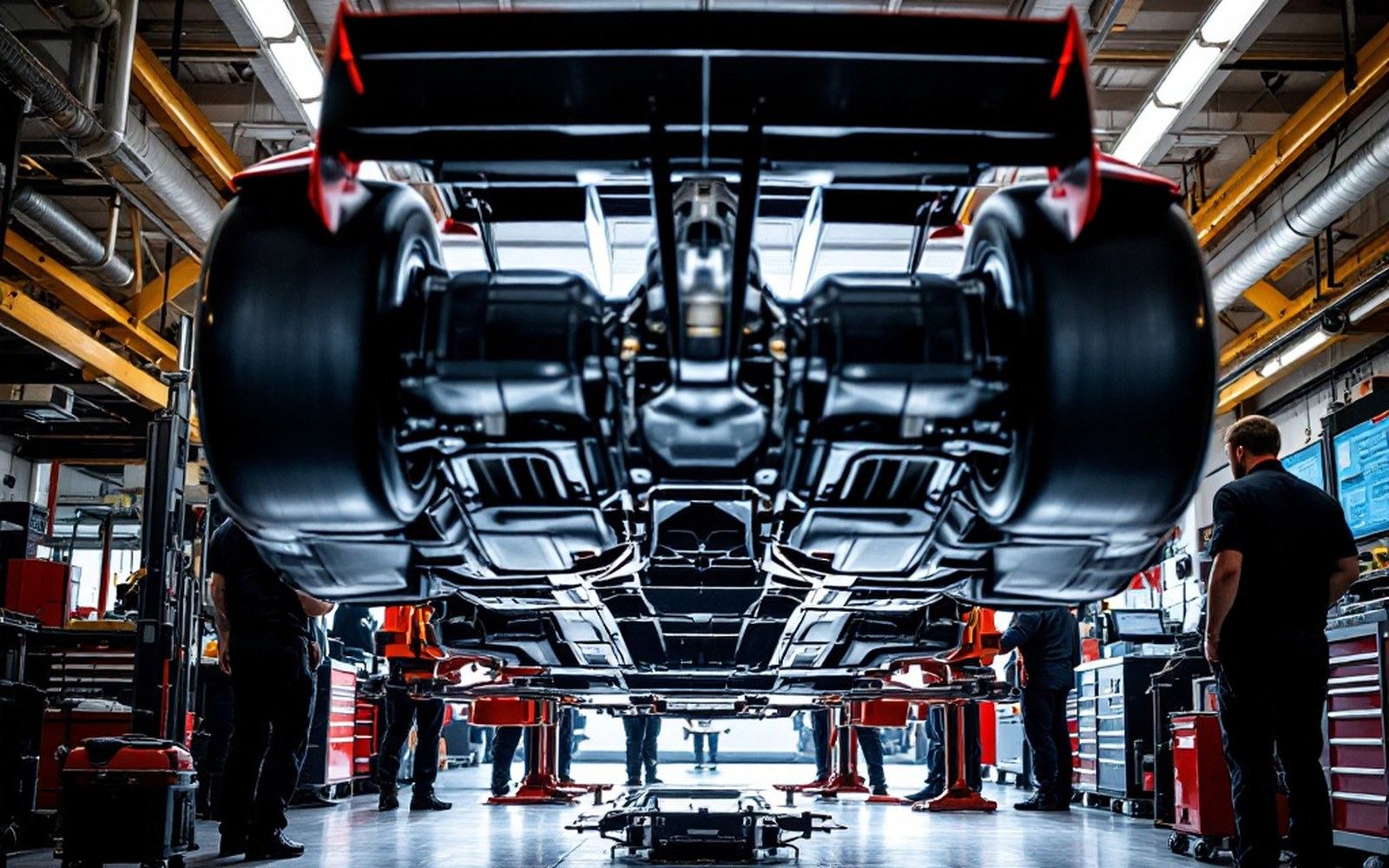
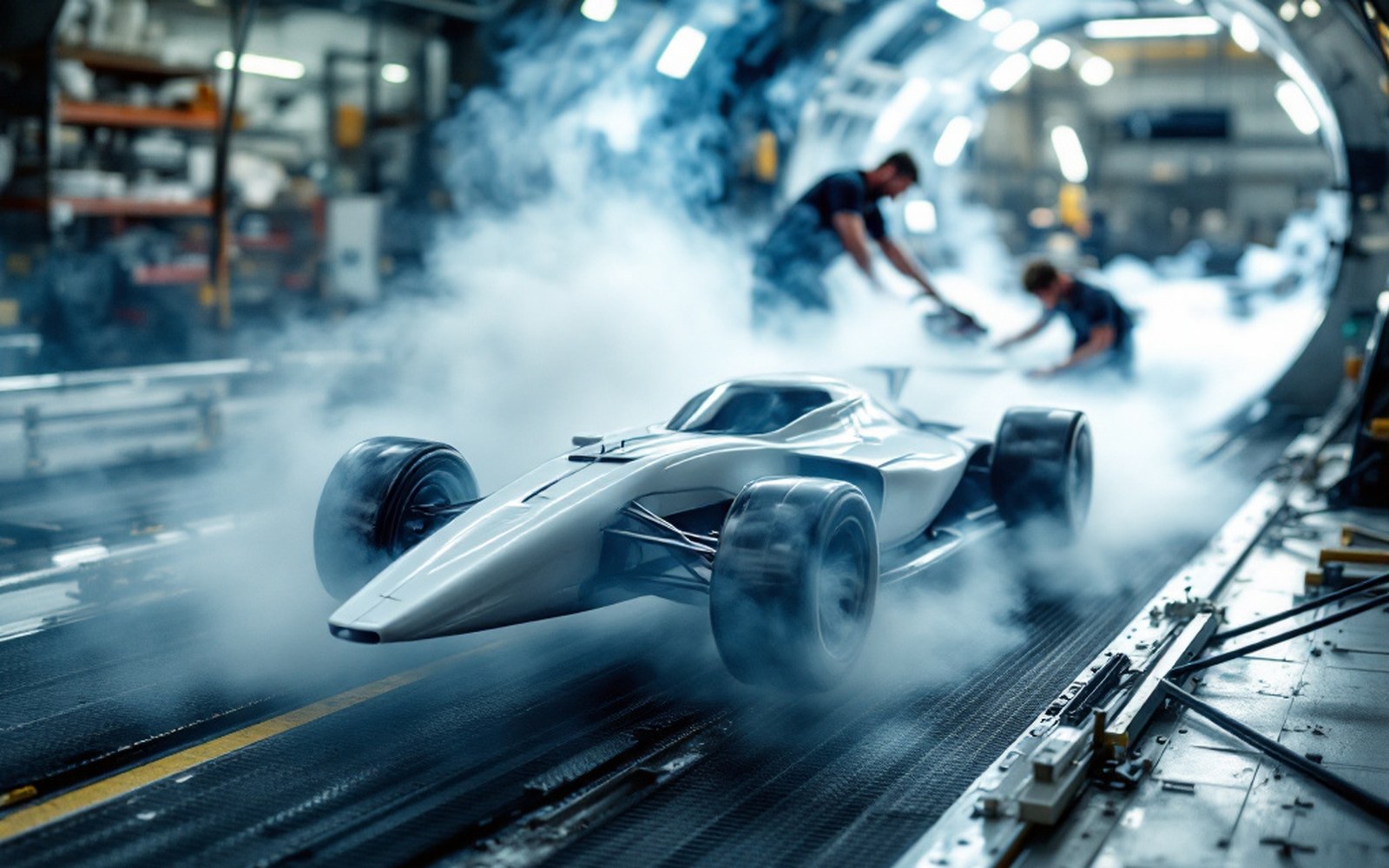
The car's single-race existence places it in a small category: machinery that was legal until it won, and illegal by common consent the morning after. It is not the only example — the pushrod boost concession at Indianapolis in 1994 followed a similar arc — but it may be the cleanest one, because Murray had found a way to do with a fan and a sealed floor what Chapman was doing with shaped tunnels and sliding skirts, and nobody could say, under the rules as written that June weekend, that he was wrong.