Group S, cancelled
The successor to Group B was engineered before the class it was replacing had finished killing people.
01A rulebook without a race
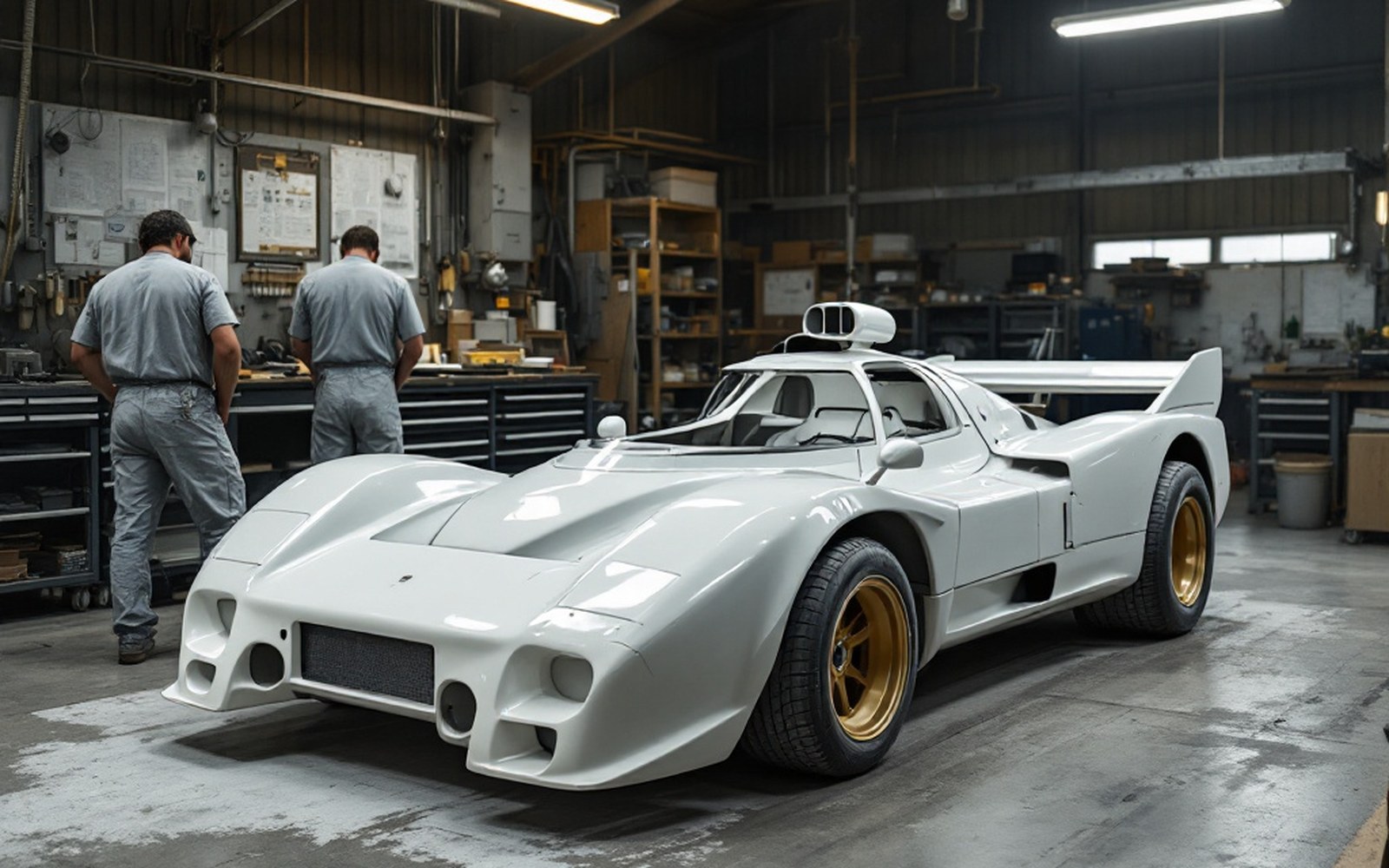
Group S was drafted by the FIA in 1985 as the intended replacement for Group B, scheduled to begin in 1987. The specification was, in retrospect, extraordinary: ten homologation examples required rather than two hundred, with no restriction on four-wheel drive, forced induction or aerodynamic devices. On paper it was Group B with the volume requirement stripped out — effectively a works-prototype formula wearing rally plates.
Manufacturers who had spent the mid-1980s learning what composite monocoques and twin-charged powertrains could do treated Group S as the next logical step. Lancia, working through Abarth in Turin, developed what became the ECV (Experimental Composite Vehicle) programme, a mid-engined concept intended to carry lessons from the Delta S4 forward. Peugeot Talbot Sport, fresh from dominating 1985 and 1986, had concept work underway. Ford and MG also had projects at various stages. None of them ever started a competitive stage.
Chronology
- 1985FIA drafts Group S specification, targeted for 1987 introduction
- 1985–86Manufacturers including Lancia and Peugeot Talbot Sport begin prototype development
- May 1986Tour de Corse; two fatalities during the round
- Late 1986FIA abolishes both Group B and Group S simultaneously; 1987 entry never occurs
The cancellation came directly from the Tour de Corse in May 1986. Two competitors, Henri Toivonen and Sergio Cresto, died during that single round. The political pressure on FISA was immediate and overwhelming, and within weeks the decision was taken: Group B would be abolished at the end of the 1986 season rather than phased into Group S. A class that was already dangerous at the two-hundred-car threshold was not going to be made safer by reducing it to ten.
Manufacturers who had spent the mid-1980s learning what composite monocoques and twin-charged powertrains could do treated Group S as the next logical step.
The logic was unarguable. Group S, with its minimal production requirement, would have concentrated factory engineering resources into cars that were effectively unconstrained prototypes. Speeds would have been higher still, and the infrastructure of spectator control on public roads — already catastrophically inadequate — would have faced machinery beyond anything the sport had managed to regulate. The FIA's formal abolition applied to both classes simultaneously.
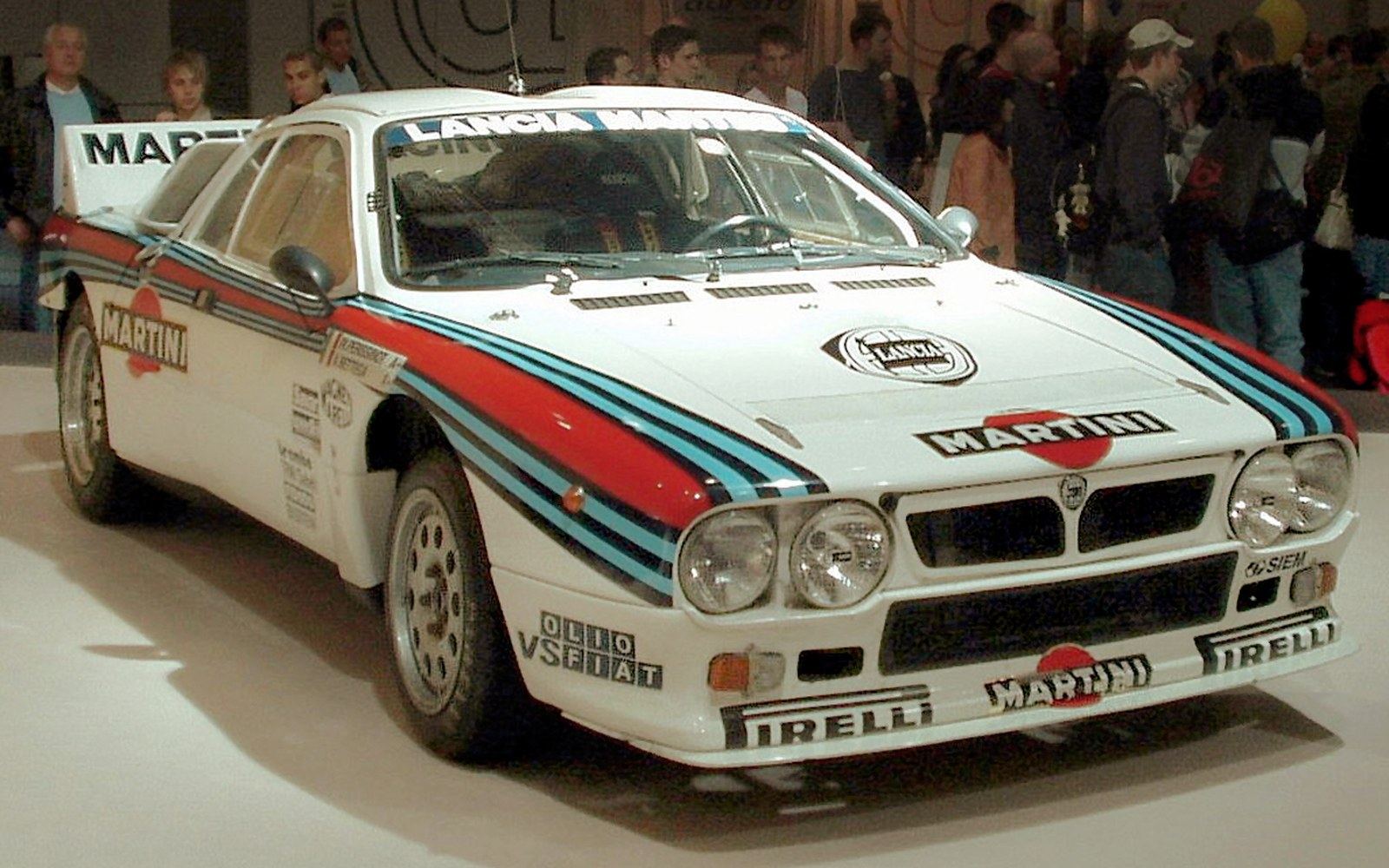
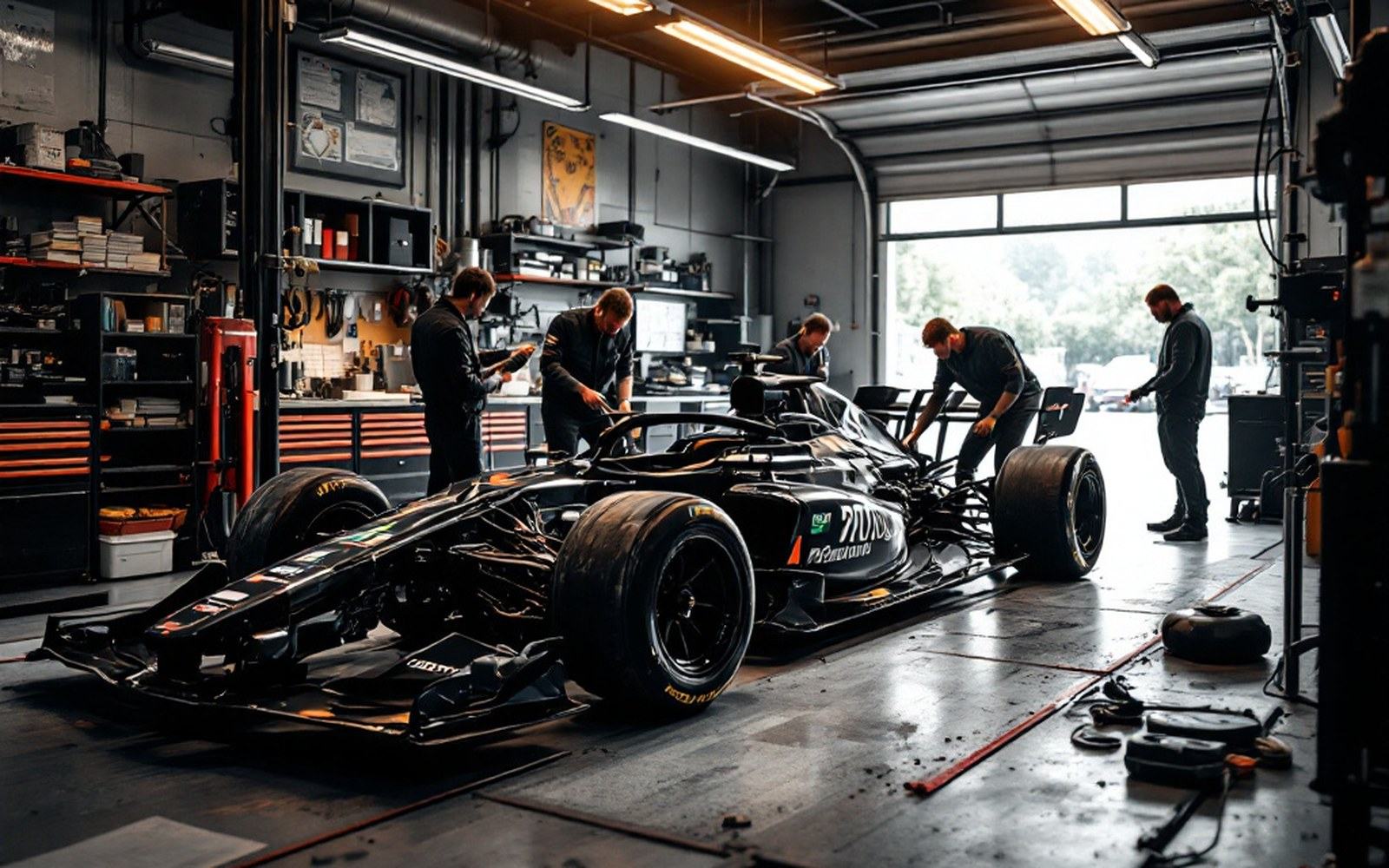
What remained were the prototypes: cars that had been engineered to a rulebook that never produced a race. They survive in museum collections and private hands as the physical record of what the sport intended before it understood what it had already built. The regulation was cancelled not because the engineering was wrong, but because the environment in which it was supposed to run had proven it could not be made safe.